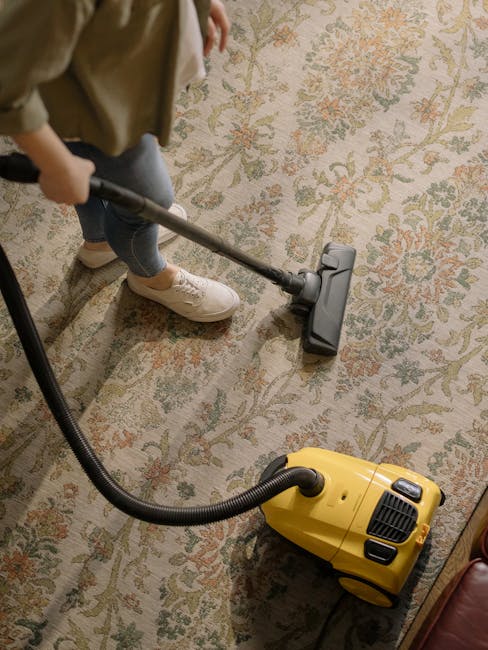
Affordable carpet cleaning in Sutton for landlords
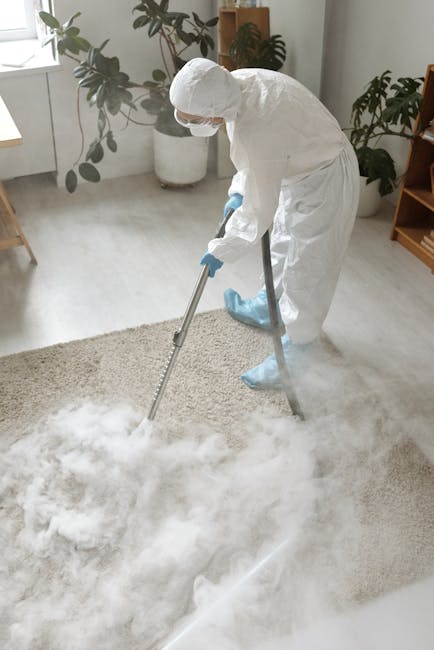
If you let property in Sutton, you already know the drill: tenants move out, carpets reveal the real story, and you need the place looking clean, calm, and ready for the next viewing. Affordable carpet cleaning in Sutton for landlords is not just about making a flat look presentable. It is about protecting your deposit process, keeping void periods shorter, and avoiding those awkward conversations about odours, stains, and "it was like that when we moved in."
Truth be told, carpets take a beating. Hallways collect muddy footprints, living rooms hold onto smells, and bedrooms can hide years of dust in plain sight. A smart cleaning plan helps you reset the property without overspending. In this guide, we'll look at what affordable carpet cleaning actually means for landlords in Sutton, how the process works, what to ask for, and how to avoid paying twice for a job that should have been done properly the first time.
One quick thing: affordable does not have to mean cut-rate. Done well, it means good value, sensible timing, and a service that fits the property's needs. That balance matters more than people think.
Why Affordable carpet cleaning in Sutton for landlords Matters
For landlords, carpet cleaning is not a cosmetic extra. It sits right at the intersection of property presentation, tenant expectations, and basic asset care. A carpet that looks tired can make an otherwise decent property feel neglected. And if a property feels neglected, people notice everything else too. The skirting boards, the window seals, the smell in the hallway. All of it.
In Sutton, where many landlords manage family homes, flats, and commuter-friendly rentals, first impressions matter. Viewers often decide quickly whether a property feels cared for. A freshly cleaned carpet quietly says the owner pays attention. That can support quicker lets, smoother renewals, and fewer complaints after move-in.
There is also a practical money angle. Regular carpet cleaning can help delay replacement, especially in high-traffic rooms. That does not mean every carpet can be saved forever, of course. Some carpets are simply past their best. But many can look dramatically better with the right clean, and that can buy you time and protect your margins.
Expert summary: For landlords, the best carpet cleaning is the kind that restores presentation, controls costs, and reduces friction at checkout and re-let stage. Cheap only helps if the result actually lasts.
A lot of landlords also underestimate how much a neutral, clean carpet helps during viewings. Even if a tenant will bring their own furniture, the floor anchors the whole room. If it looks fresh, the property feels fresher. Simple as that.
How Affordable carpet cleaning in Sutton for landlords Works
Most professional carpet cleaning for rental properties follows a fairly straightforward process. The exact method depends on the carpet fibre, soil level, stain type, and how quickly the room needs to be back in use. You do not need to become a cleaning technician, but understanding the steps helps you compare providers and avoid vague quotes.
1. Inspection and fibre check
A good cleaner should look at the carpet first. Wool, synthetic blends, and low-pile rental carpets all behave differently. The wrong temperature, chemical choice, or moisture level can leave a poor finish or even cause damage. A proper inspection also spots stains that may need pretreatment rather than a standard pass.
2. Vacuuming and dry soil removal
Dry dirt is usually removed first. This matters more than people realise because loose grit acts a bit like sandpaper underfoot. If it is left in place, wet cleaning can turn it into mud and reduce the final result. You will notice the difference especially near entryways and under sofas.
3. Pretreatment of stains and heavy traffic areas
High-use areas, such as hallways and living room walkways, often need a targeted pre-spray. Spot treatment may also be used for drink marks, food stains, or pet-related issues. Not every stain will disappear completely, and any honest cleaner should say so. Some marks are permanent, or close enough that only improvement is realistic.
4. Deep cleaning method
Common approaches include hot water extraction, low-moisture cleaning, and encapsulation-style methods. Hot water extraction is often used for a deeper rinse, while low-moisture methods can be helpful when drying time is tight. The right choice depends on the carpet, the property's schedule, and the finish you need for the next tenant.
5. Drying and final review
Drying is a key part of the job, not an afterthought. A carpet that stays damp for too long can be inconvenient and, in some cases, encourage odours. Good airflow helps. In winter, when windows stay shut and the heating is on, drying can take a little longer. No mystery there, just real life in a Sutton flat on a grey afternoon.
If you already work with other property services, it can help to coordinate carpet cleaning with other end-of-tenancy tasks. For broader property care, some landlords also look at end-of-tenancy cleaning support so the whole place is reset in one visit rather than in bits and pieces.
Key Benefits and Practical Advantages
Affordable carpet cleaning offers more than a tidier floor. Done properly, it supports the whole lettings process.
- Better property presentation: Clean carpets make rooms look brighter and more spacious.
- Improved first impressions: Viewers often notice smell and floor condition before anything else.
- Reduced replacement pressure: Regular cleaning can extend carpet life in many rental properties.
- Less dispute risk: A documented clean at the right time helps during check-in and check-out discussions.
- More efficient re-letting: A property can move from vacated to viewable more quickly if carpets are handled early.
- Better hygiene: Dust, pollen, and everyday grime are reduced, which is especially useful in family lets.
There is also a more subtle benefit: clean carpets make the whole property feel easier to maintain. That matters because tenants are more likely to treat a property with care when it looks cared for already. It sounds a bit obvious, but people respond to signals.
For landlords managing multiple units, budget consistency matters too. When you have a regular cleaning rhythm, you can plan void costs more accurately instead of dealing with surprise expense after surprise expense. And nobody enjoys surprise expense. Nobody.
Who This Is For and When It Makes Sense
Not every rental needs the same level of carpet cleaning. Some properties need a quick refresh between long-term tenants. Others need a more intensive clean after pets, children, heavy traffic, or a smoke smell that has settled into the fibres.
It makes sense especially for:
- landlords preparing a property for new tenants
- agents managing end-of-tenancy turnaround
- portfolio landlords who want a repeatable maintenance routine
- owners of furnished or part-furnished rentals with visible carpet wear
- landlords trying to reduce replacement costs on decent but tired carpets
- properties with recurring issues such as spills, pet odours, or hallway dirt
You may not need deep cleaning every time a tenant leaves. Sometimes a lighter clean is enough, especially if the property has been well looked after and the carpets are still in good condition. Other times, trying to save money by skipping a proper clean ends up costing more later. That one usually bites back quietly, six months down the line, when the carpet looks flat and patchy again.
A useful rule of thumb: if the carpet affects how you would feel viewing the property yourself, it probably affects tenants too. And if you would hesitate for a second, they probably will as well.
Step-by-Step Guidance
If you want the best balance of cost and quality, a structured approach helps. This is where many landlords save money, not by choosing the cheapest quote, but by choosing the right workflow.
- Walk the property first. Check each carpeted room in daylight if possible. Look for stains, wear paths, pet hair, and odour sources.
- Decide what is worth cleaning. Not every carpet or rug needs the same treatment. Sometimes a landing needs more attention than the spare room that barely gets used.
- Ask for a method suited to the carpet type. A synthetic carpet in a rental flat may tolerate a different process than a wool blend in a period property.
- Request a realistic drying plan. If the next tenancy is due fast, you need to know how long the carpets are likely to stay damp.
- Clear the space beforehand. Moving small items yourself can reduce time and keep the job affordable. No one wants to pay a premium because a coffee table was left in the way.
- Confirm stain expectations. Ask what can be improved, what may remain visible, and whether any special treatment is needed for stubborn marks.
- Inspect the result before signing off. Check corners, edges, and visible traffic lines. Those are the places that reveal whether the job was rushed.
A small operational tip: if you have several rental properties in Sutton, try grouping cleans by location or void timing. Coordinating jobs can sometimes make scheduling more efficient and, in practice, easier to manage. Less chasing, fewer gaps, less hassle.
Expert Tips for Better Results
Here are the practical habits that tend to make the biggest difference. These are not glamorous, but they work.
- Vacuum before the cleaner arrives. This sounds basic, but dry soil removal really does improve the finish.
- Deal with odours early. If a carpet smells musty, smoky, or pet-related, say so up front. Hiding it helps nobody.
- Use the right clean at the right time. A light refresh after a tidy tenant move-out is not the same as a deep restoration after years of use.
- Protect the clean finish. Avoid heavy foot traffic until the carpet is dry, and keep shoes off where practical.
- Ask about spot re-treatment. Some areas need a second pass, especially near entrances and around sofas.
- Keep a simple record. A dated note or invoice trail helps you manage maintenance and tenant handover more cleanly.
If a room gets a lot of use, such as a hallway or living room, it may be worth focusing budget there first. That is the practical landlord view. Spend where it shows. Spend where it matters.
Also, do not be shy about asking questions. What solution will be used? How much drying time is expected? What happens if a stain does not lift fully? A reliable provider should be comfortable answering without turning the conversation into a sales pitch.
Common Mistakes to Avoid
There are a few classic mistakes landlords make when booking carpet cleaning. Some are about cost, some about timing, and some are just a bit too optimistic.
- Choosing only by price: The cheapest quote can become expensive if the result is poor or the carpet is left too wet.
- Leaving it too late: If cleaning is booked after keys are due back, you lose flexibility.
- Ignoring carpet type: Not every carpet should be cleaned the same way.
- Expecting miracles on permanent damage: Heavy bleach stains, burns, and deep wear may need repair or replacement, not cleaning.
- Not checking drying conditions: Winter jobs in tightly closed properties may need extra ventilation planning.
- Skipping the final inspection: If something looks missed, say it then and there.
To be fair, most problems are avoidable. They come from rushing. Let the process breathe a little. The extra ten minutes spent on inspection can save a lot of annoyance later.
Tools, Resources and Recommendations
You do not need a warehouse full of kit to manage carpet cleaning well as a landlord, but a few practical tools help keep things organised.
- Vacuum with strong suction: Useful for pre-clean preparation and general turnover maintenance.
- Spot-cleaning cloths: Handy for fresh spills between full cleans.
- Fan or airflow plan: Especially useful for speeding up drying in cooler months.
- Property inspection checklist: Helps you note carpet condition before and after tenancy.
- Simple photo record: Before-and-after images make handover conversations easier.
When choosing a cleaner, look for straightforward communication. The best value often comes from someone who explains the method clearly, sets sensible expectations, and does not oversell what the carpet can actually do. That might sound obvious, but clarity is rarer than it should be.
If your property includes other surfaces that need coordinated care, it can also be sensible to bundle certain tasks together. For example, landlords often pair carpet cleaning with upholstery cleaning when soft furnishings are part of the inventory, so the property feels consistently refreshed rather than half-done.
Law, Compliance, Standards, or Best Practice
Carpet cleaning itself is not usually a heavily regulated issue for landlords in the way gas safety or electrical checks are. Still, there are important best-practice considerations that affect disputes, tenancy handovers, and general professionalism.
First, always rely on your tenancy agreement, inventory, and check-in/check-out records when deciding who is responsible for cleaning and whether any deductions are reasonable. That is where the paper trail matters. If carpets were already marked, worn, or stained at move-in, it is only fair to factor that in.
Second, be careful not to overpromise on professional results if a carpet is genuinely beyond a standard clean. A good practice is to describe likely outcomes honestly: improved appearance, stain reduction, odour reduction, or, where appropriate, recommendation for repair or replacement. That kind of wording protects trust.
Third, if you are dealing with mould, strong chemical contamination, or anything that suggests a health risk, treat it separately and with caution. Carpet cleaning is not a catch-all remedy for every issue.
Finally, if you manage HMOs or multiple lets, it is worth having a repeatable cleaning standard. That way every void is handled consistently, and nobody is making up the process on the day. A bit of consistency saves a lot of back-and-forth.
Options, Methods, or Comparison Table
Different jobs call for different approaches. There is no single "best" method for every Sutton rental, and that is where landlords can make smarter decisions.
| Method | Best for | Drying time | Strengths | Watch-outs |
|---|---|---|---|---|
| Hot water extraction | Deep cleans, heavier soil, end-of-tenancy refresh | Usually longer | Strong soil removal, good for thorough cleaning | Needs proper drying and ventilation |
| Low-moisture cleaning | Quick turnarounds, lighter soil, busier schedules | Shorter | Faster dry times, convenient between tenancies | May be less suitable for very heavy contamination |
| Targeted spot treatment | Specific marks or small problem areas | Minimal | Cost-efficient for isolated stains | Not a replacement for a full clean |
| Encapsulation-style cleaning | Routine maintenance or commercial-style turnover | Often relatively short | Practical for repeated upkeep | Best used where the carpet and setting suit it |
For landlords, the decision usually comes down to timing, carpet condition, and budget. If a property needs to be relisted quickly, fast-drying methods may be the better fit. If the carpet is heavily marked after a long tenancy, a deeper clean may be worth the extra drying time.
Case Study or Real-World Example
Here is a realistic landlord scenario. A two-bedroom Sutton flat comes back after a 14-month tenancy. The tenant has been mostly tidy, but the hallway has traffic marks, the living room carpet smells faintly of pet bedding, and one bedroom has a coffee spill near the bed.
The landlord is trying to relist the property quickly, but also wants to avoid replacing carpets that are still structurally fine. Instead of booking a full replacement, they arrange a targeted clean before photography and viewings. Hallway and living room areas are pretreated, the bedroom stain is addressed, and the carpet is left with enough drying time overnight.
The result is not magic. The coffee mark is reduced rather than erased. The hallway still shows a little age because, well, carpets are carpets. But the overall impression changes a lot: the property smells fresher, photos look better, and the viewing no longer starts with apologetic explanations about the floor.
That is the real point. A good clean does not need to create perfection. It needs to move the property from "tired and awkward" to "well cared for and ready." That is a much more useful outcome for a landlord.
If you are managing more than one property, the same approach applies elsewhere in the home. A refreshed carpet often works best as part of a broader turnover plan, alongside attention to kitchens, bathrooms, and soft furnishings. It is the combined effect that feels professional.
Practical Checklist
Use this before you book a carpet clean for a Sutton rental.
- Check the tenancy end date and arrange cleaning with enough time before re-let.
- Inspect all carpeted rooms in daylight.
- Note stains, odours, wear lines, and any visible damage.
- Confirm carpet type if you know it, or ask the cleaner to assess on site.
- Decide whether you need a full clean, a spot treatment, or both.
- Ask about drying time and ventilation needs.
- Clear furniture and loose items where practical.
- Record before-and-after photos for your files.
- Review the result before the property is handed over.
- Keep the invoice and any notes for future maintenance planning.
Quick landlord takeaway: the most affordable result is often the one that prevents repeat visits, avoids unnecessary carpet replacement, and gets the property back on the market cleanly. That is where the value is.
If you are weighing up options in Sutton and want a straightforward, cost-conscious approach, the best move is usually to ask for a clean that fits the carpet's condition rather than paying for a one-size-fits-all job. And if the property needs a broader refresh, it can help to look at domestic cleaning services as part of the overall turnaround plan.
Get a free quote today and see how much you can save.
Conclusion
Affordable carpet cleaning in Sutton for landlords is really about good judgment. The goal is not the cheapest clean on paper or the fanciest promise in a brochure. It is a result that makes the property easier to let, easier to manage, and easier to feel proud of when you walk through the door.
When you choose the right method, time the job well, and set realistic expectations, carpet cleaning becomes one of those quietly useful investments. Not glamorous, perhaps. But solid. And in lettings, solid often wins.
Keep it practical, keep it consistent, and treat the carpets as part of the property's long-term value rather than a last-minute chore. That mindset alone can save money over time and make void periods feel a lot less stressful. Sometimes, that little bit of calm is worth more than the clean itself.
Frequently Asked Questions
How often should landlords arrange carpet cleaning in Sutton?
It depends on tenant turnover, carpet wear, pets, and the type of property. Many landlords book a professional clean at the end of a tenancy, but busy family homes or high-traffic rentals may benefit from more regular attention.
Is cheap carpet cleaning always a bad idea?
Not always. Affordable can be good value if the provider uses the right method and leaves a solid finish. The problem is when "cheap" means rushed work, poor drying, or no real stain improvement.
Can carpet cleaning remove all stains?
No. Some stains are permanent or only partially treatable, especially if they have been left for a long time. A good cleaner should be honest about what can be improved rather than promising miracles.
How long does carpet cleaning usually take?
That varies by room size, soil level, and cleaning method. A small flat may be relatively quick, while a larger rental property with several stained rooms will take longer. Drying time is a separate factor and can extend the overall schedule.
What is the best carpet cleaning method for rental properties?
There is no single best method for every property. Hot water extraction is often used for deeper cleans, while low-moisture methods can suit quicker turnaround jobs. The right choice depends on carpet type, condition, and timing.
Should landlords clean carpets before new tenants move in?
Usually, yes, if the carpets are dirty, odorous, or visibly marked. Fresh carpets help present the property well and can reduce friction during move-in. Even a decent carpet may benefit from a refresh between tenancies.
Do tenants have to pay for carpet cleaning?
That depends on the tenancy agreement, the condition of the carpet, and whether any damage or excessive dirt is reasonably attributable to the tenant. Inventory records and check-out evidence matter a great deal here.
How can I keep carpet cleaning affordable across multiple rental properties?
Plan early, group jobs where possible, and focus cleaning effort on high-traffic areas first. A regular maintenance pattern can reduce deep restoration costs later. It is one of those boring habits that pays off.
Is carpet cleaning enough if the carpet smells bad?
Often it helps, but not always. Odours can come from underlay, moisture, pets, or hidden contamination. If the smell is strong or persistent, the carpet may need deeper treatment or further inspection.
What should I ask a carpet cleaner before booking?
Ask what method they recommend, how long drying is likely to take, whether stain treatment is included, and what results are realistic. Clear answers usually tell you more than a glossy sales pitch ever will.
Can carpet cleaning help reduce replacement costs?
Yes, in many cases. Regular professional cleaning can extend the life of a serviceable carpet and keep it looking acceptable for longer. It will not save a badly worn carpet forever, but it can make a real difference.
What if I need more than just carpet cleaning?
That is common in end-of-tenancy situations. A broader property clean may be more practical if you are preparing for new tenants, especially when kitchens, bathrooms, and soft furnishings also need attention.